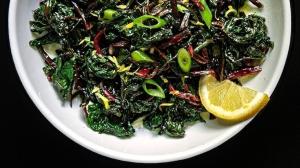
The story of «horta» is essentially the story of Greek resilience, a culinary tradition born from the rugged mountains and the necessity of the seasons. While the word simply translates to "greens," it carries a weight of cultural identity that spans millennia, representing a deep, ancestral knowledge of the land. In Greece, foraging is not a modern hobby but a fundamental skill that has sustained the population through the rise and fall of empires and the leanest years of history.
Ancient physicians like Dioscorides and Galen were among the first to document these plants, categorizing them as both food and medicine long before the term "superfood" entered the modern lexicon. During the Axis occupation in World War II, this knowledge became a literal lifesaver, as the ability to identify edible weeds in the rocky soil provided vital nutrients when other food sources vanished. Today, what was once considered "famine food" is celebrated in high-end gastronomy for its complex mineral profile and characteristic bitter bite.
This obsession with the bitter and the wild is a thread that runs through the entire Mediterranean basin. In Italy, the tradition manifests as Misticanza in Rome or the sharp sautéed Cicoria of the southern provinces. Further east in the Levant, greens like Hindbeh are prized staples, often balanced with the sweetness of caramelized onions. Across the Balkans, mountainous foraging remains a living art, with various wild leaves being tucked into savory pies or boiled simply with a splash of vinegar.
The spectrum of Horta ranges from the fiercely wild to the comfortably domesticated, each offering a different intensity of flavor. At the wilder end of the scale are the rebels like Stamnagathi, the spiny chicory of Crete, and the ubiquitous Radiki or wild dandelion, which provides the quintessential bitter punch that defines the Greek palate. These plants are survivors, often requiring a sharp knife and a sturdy pair of boots to harvest from the wind-swept hillsides.
As we move toward the more "tamed" varieties, we find greens that have transitioned from the mountainside to the garden patch. This category includes Vlita, the velvety amaranth that dominates the Greek summer, and Seskoula, the broad-leaved Swiss chard often used for wrapping savory fillings. Beet greens or Pantzaria, sit perfectly at the intersection of these worlds, offering the silky texture of garden spinach combined with a deep, mineral earthiness in the stems that echoes their wilder cousins.
Preparing these greens correctly is an act of transformation that honors their lineage. While many are content to simply boil them, the most refined techniques involve a process of extraction to concentrate the flavor and texture. By treating the leaves and stems with the respect they deserve, you elevate a humble basket of "weeds" into a sophisticated dish that bridges the gap between the ancient landscape and the modern kitchen.
The final flourish for any plate of horta is the dressing, which acts as the essential bridge between the mineral bitterness of the greens and the richness of the fat. The undisputed gold standard is the Ladolemono, a vibrant emulsion of extra virgin olive oil and fresh lemon juice. This simple pairing works because the citric acid cuts through the oxalic heaviness of the leaves, while the oil carries the fat-soluble vitamins and rounds out the sharp edges of the flavor profile. Most traditionalists swear by a heavy hand with the oil, allowing the greens to swim in a shallow pool of "liquid gold" that is meant to be mopped up with crusty bread.
However, regional preferences often dictate a shift in acidity. In many parts of Northern Greece or the Peloponnese, red wine vinegar is often preferred over lemon, especially for wilder, earthier varieties like dandelion or chicory. The vinegar provides a woodier, more fermented tang that stands up well to the assertive "bite" of the mountainside. Some modern kitchens have even begun experimenting with balsamic glazes or apple cider vinegar to introduce a subtle sweetness that tames the more aggressive alkaloids found in late-season harvests.
For those looking to move beyond the binary choice of lemon or vinegar, aromatics offer a third dimension of flavor. A single clove of garlic, either crushed into the dressing or thinly sliced and warmed in the oil, provides a savory backbone that transforms the horta into a more substantial side dish. In contemporary 2026 plant-forward cooking, it is also becoming common to see dressings fortified with tahini for a creamy, nutty finish, or topped with toasted pine nuts and boukovo (crushed red pepper) to add texture and a lingering heat that awakens the palate.
Serving styles are equally versatile, allowing horta to move from a humble side dish to the center of the table. While typically served as a warm accompaniment to grilled fish or roasted meats, they are just as effective when chilled and served as a refreshing salad alongside a thick slab of barrel-aged feta.
For a more rustic approach, a mound of squeezed horta can serve as a bed for poached or fried eggs, where the runny yolk creates a rich, natural sauce that mingles with the lemon and oil. Whether piled high on a communal platter or tucked into a pita, these greens remain the most honest expression of the Mediterranean landscape.
Whether reviving lost culinary traditions or eating nourishing superfoods, it is time to try «HORTA» ! … :)